Embrace Your Creativity: Transforming Clothes to Fit Your Unique Style
- Lisa Stavinoha
- Dec 1, 2025
- 4 min read
Clothing is more than just fabric stitched together. It’s a way to express who you are without saying a word. Yet, many people hesitate to alter their clothes, fearing mistakes or ruining a favorite piece. What if you could unlock new possibilities by changing how your clothes fit and look? Altering clothes is not just about fixing sizes; it’s about making your wardrobe truly yours. This post will guide you through the exciting world of clothing transformation, showing you how to embrace creativity and make your style unique.
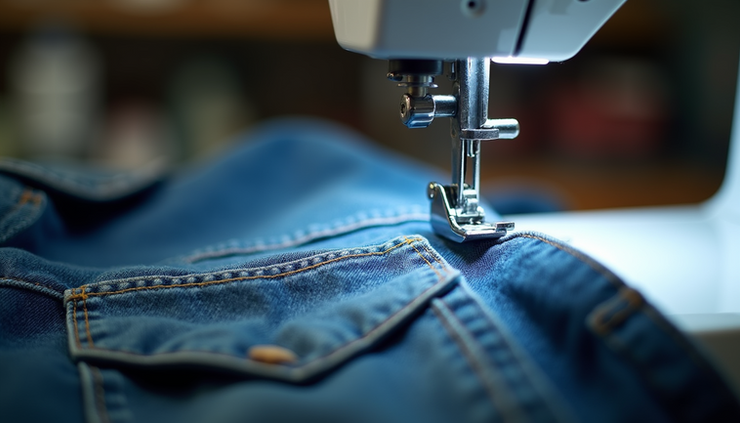
Why Alter Clothes Instead of Buying New
Buying new clothes often feels like the easiest solution when something doesn’t fit right or feels outdated. But altering clothes has many benefits:
Saves money by extending the life of your existing wardrobe.
Reduces waste by keeping garments out of landfills.
Allows personal expression by customizing fit, style, and details.
Builds skills that can be rewarding and fun.
For example, a loose blouse can be taken in to highlight your waist, or old jeans can be cropped and embellished to create a fresh look. Altering clothes lets you keep what you love while making it fit your current style.
Common Alterations to Try at Home
You don’t need to be a professional tailor to start altering your clothes. Here are some simple changes you can try:
Taking In or Letting Out Seams
If a shirt or dress feels too loose or tight, adjusting the side seams can make a big difference. Use pins to mark where you want the fabric to be taken in or let out, then sew along the new seam line.
Shortening or Lengthening Hems
Pants, skirts, and dresses can be hemmed to suit your height or style preferences. Shortening is straightforward: cut the excess fabric and sew a new hem. Lengthening may require adding fabric or lace trim for a creative touch.
Changing Sleeves
Sleeves can be shortened, lengthened, or even removed to change the garment’s look. For example, turning long sleeves into cap sleeves can make a top more suitable for warmer weather.
Adding Decorative Elements
Patches, embroidery, or fabric paint can transform plain clothes into statement pieces. Adding lace to a collar or cuffs can give a vintage feel, while bold patches can add personality.
Tools and Materials You’ll Need
Starting with the right tools makes altering clothes easier and more enjoyable:
Sewing machine (optional but speeds up work)
Needles and thread matching your fabric color
Scissors designed for fabric
Pins and measuring tape
Seam ripper for undoing stitches
Chalk or fabric markers for marking adjustments
Having these basics on hand will help you experiment confidently.
Step-by-Step Example: Transforming a Shirt to Fit Better
Let’s walk through a simple alteration: taking in a loose shirt to create a more tailored fit.
Try on the shirt inside out and pinch the fabric along the side seams where it feels loose.
Mark the new seam line with pins or fabric chalk.
Remove the shirt and lay it flat on a surface.
Use a sewing machine or hand stitch along the marked line, tapering toward the hem.
Try the shirt on again to check the fit.
Trim excess fabric and finish the seam edges to prevent fraying.
This process can turn a shapeless shirt into a flattering piece that feels custom-made.
When to Seek Professional Help
Some alterations require advanced skills or special equipment. Consider a tailor for:
Complex resizing like adjusting shoulders or collars
Alterations on delicate or expensive fabrics
Adding zippers or lining
Major structural changes to garments
A professional can ensure the garment maintains its quality and appearance.
Tips for Successful Alterations
Start small with simple projects to build confidence.
Use scrap fabric to practice stitches and techniques.
Measure twice, cut once to avoid mistakes.
Choose thread and needles suited to your fabric for durability.
Be patient; alterations take time but improve with practice.
Benefits Beyond Style
Altering clothes also connects you to a more sustainable lifestyle. The fashion industry is one of the largest polluters globally. By modifying and reusing your clothes, you reduce demand for new production and lessen environmental impact.
Moreover, customizing your wardrobe encourages creativity and problem-solving. It’s a hands-on way to express yourself and develop a skill that can save money and reduce waste.
Inspiring Examples of Clothing Transformation
Turning an oversized men’s shirt into a chic dress by adding darts and a belt.
Cropping old jeans and adding embroidery to create trendy shorts.
Adding lace inserts to a plain skirt for a feminine touch.
Dyeing and distressing a jacket to give it a vintage, worn look.
Each example shows how small changes can make a big difference in style and fit.
Final Thoughts on Making Clothes Your Own
Altering clothes is a powerful way to embrace your creativity and make your wardrobe truly reflect who you are. Don’t be afraid to experiment with fit, length, and details. Whether you sew a simple seam or add bold decorations, each change brings your personal touch.
Start with one piece you love but want to wear differently. Take your time, enjoy the process, and watch your style evolve. Your clothes can become a canvas for your creativity, helping you stand out with confidence.


Comments